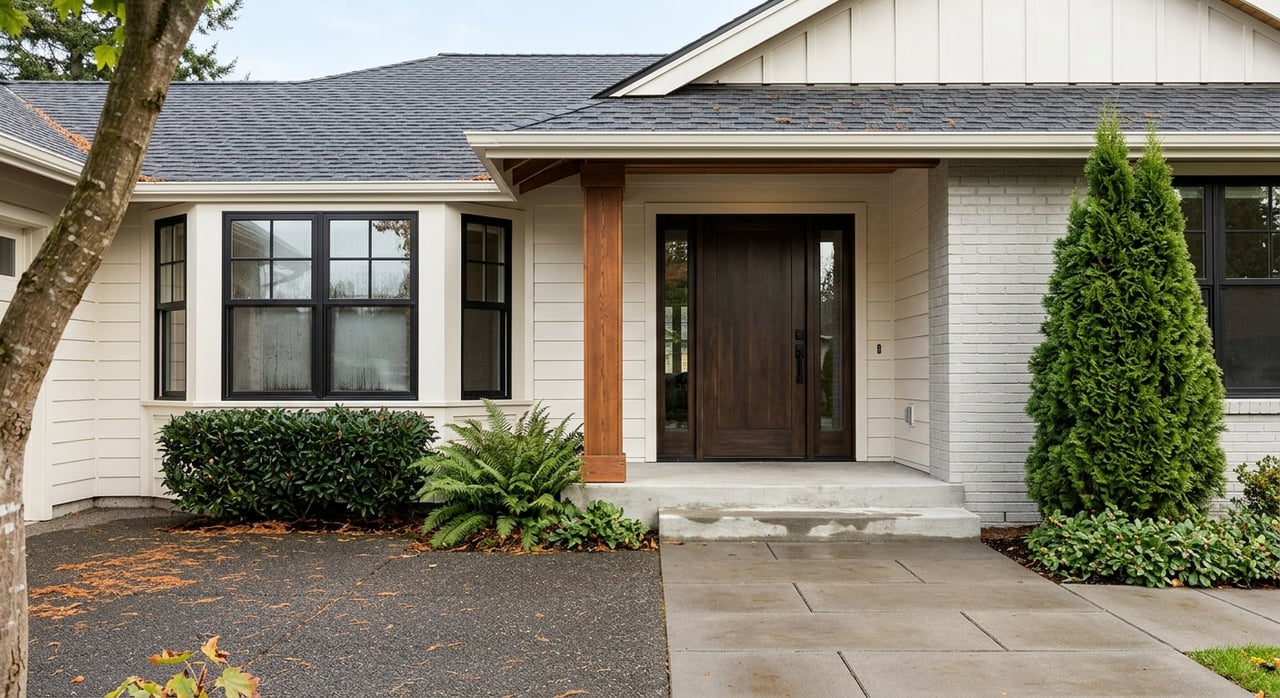
Understanding Vancouver WA Home Styles as a Buyer
May 7, 2026
May 7, 2026
Wondering what a home’s style really tells you in Vancouver? It can tell you a lot, but not always what the listing photos suggest. In a market with plenty of postwar homes, newer builds, and growing attached housing options, style is often your first clue about layout, maintenance, and remodeling potential. If you want to buy smarter or sell with a clearer strategy, this guide will help you read between the lines. Let’s dive in.
In Vancouver, home style is closely tied to when a house was built. The city’s housing stock includes a large share of homes from the 1970s through the 1990s, and about 54% of homes were built before 1990. That helps explain why ranches, split-levels, and other late-20th-century designs still show up so often in buyer searches.
At the same time, Vancouver is planning for major growth. The city says it will need at least 38,000 additional housing units over the next 20 years, with more middle housing like duplexes, triplexes, townhomes, cottage clusters, stacked flats, and small apartment buildings. That means you are likely to see even more variety in the market over time.
For you as a buyer or seller, that matters because style affects more than curb appeal. It can shape how a home lives day to day, how easy it is to update, and which inspection items deserve extra attention.
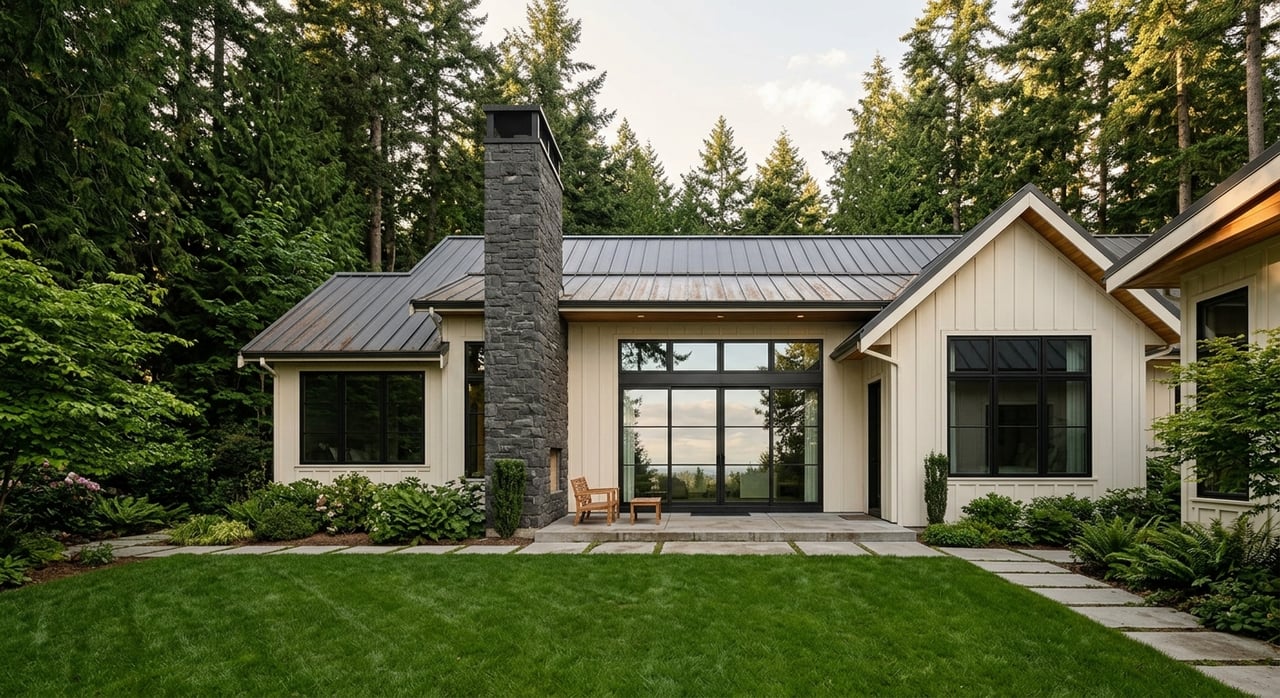
Ranch homes are one of the clearest links to Vancouver’s postwar growth. They are typically one story, with a low-pitched roof, a wide footprint, and often an attached garage or carport. Many buyers like them for simple circulation and fewer stairs.
In practical terms, a ranch can be easier to live in and often easier to adapt. Because it is usually single story, it may offer more straightforward options for certain additions or interior changes. That said, condition often comes down to the basics like the roof, attic, crawlspace, and exterior envelope, especially in a climate where moisture management matters.
Split-level homes became common in the 1950s and are still part of the Vancouver conversation. They usually divide space across staggered levels, with living areas on one level, bedrooms on another, and often a lower level with a garage or family room. That layout can give you a nice separation between activity zones.
The tradeoff is flexibility. Split-levels can use a lot efficiently, but they are often less simple to rework into a fully open layout because the floor levels are already split. If you are renovation-minded, this is the kind of house where the floor plan matters as much as the finishes.
Craftsman homes are often easy to love at first sight. They typically feature broad gables, prominent porches, and visible wood details that give the home warmth and character. In Vancouver, you may also see newer homes described as Craftsman-inspired.
That distinction matters. A true older Craftsman may come with appealing original details, but also more upkeep around trim, porches, windows, and wood elements. A Craftsman-inspired home may offer the look without the same age or materials, so it is smart to look past the label and confirm the actual construction era and systems.
Townhomes are an important part of Vancouver’s evolving housing mix. Clark County defines a townhome as attached single-family housing with shared walls, where each unit sits on an individually owned parcel. In general, attached housing in the area tends to be newer than much of the older detached housing stock.
For you, this usually means a more compact footprint and less private yard space. It can also mean your decision is less about expanding the lot and more about how the interior layout, storage, parking, and shared-wall setup fit your lifestyle. As Vancouver adds more middle housing, this category will likely become even more common.
Not every listing will clearly name the style, but mid-century and other postwar homes remain part of Vancouver’s identity. Clark County’s mid-century work pays special attention to development from 1950 to 1965, especially in Vancouver. You may also run into older bungalows and other early-20th-century homes in more established parts of the city.
These homes can offer charm, distinct design, and renovation upside. They can also come with age-related issues that need careful review before you fall in love with the aesthetics. In many cases, the smartest move is to treat style as a starting point, not the full story.
A home’s style often gives you a quick preview of how it may live. Ranch homes tend to support easy movement and one-level living. Split-levels often separate busy and quiet areas. Townhomes usually maximize interior efficiency on a smaller footprint.
That can help you narrow your search faster. If you want fewer stairs, a ranch may rise to the top. If you want separate living zones, a split-level may make sense. If you want a newer option with a compact layout, attached housing may fit the bill.
Still, style should not replace an in-person look at flow, storage, and usability. Two homes with the same style can feel very different once you walk them.
Vancouver’s climate shapes what matters in a house. NOAA data for Vancouver Pearson Airport shows about 37.47 inches of annual precipitation, with much more rain in fall, winter, and spring than in summer. The area also has far more heating degree days than cooling degree days, which points buyers toward heating performance, drainage, and moisture control.
That matters across almost every home style, but especially in older homes. Attic insulation, air sealing, crawlspace moisture control, leaky doors and windows, and signs of water intrusion can have a big impact on comfort and ongoing costs. EPA guidance also supports crawlspace floor coverage with plastic to help keep ground moisture out.
Newer homes are not automatically worry-free. Tighter construction can perform well, but it still depends on proper ventilation and duct performance. Whether the home is from the 1970s or the 2020s, moisture and airflow deserve serious attention.
A pretty exterior can pull you in, but the higher-value questions are usually more practical. In Vancouver, style is most useful as a clue about age, likely maintenance patterns, and renovation flexibility. It is not a substitute for inspection.
If you are comparing homes, focus on items like:
This is where contractor-informed guidance can make a real difference. The goal is not just to find a home you like today, but to understand what it may ask of you after closing.
Some styles are easier to work with than others. Ranch homes are often seen as flexible because they are single story and generally adaptable. Split-levels can be efficient, but their staggered floors can make major layout changes less straightforward.
Craftsman homes often reward thoughtful updates that respect original trim and porch details. Townhomes usually place more of the value-add conversation inside the walls, with finishes, function, and shared components mattering more than lot expansion. These are not fixed rules, but they are useful ways to think about your options before you commit.
If you are buying with renovation in mind, style should help you ask better questions. It should not push you into assumptions about cost, scope, or ease.
If you are looking at an older home or a property near downtown Vancouver, check for historic review considerations early. Clark County says properties on the county heritage register may require a Certificate of Appropriateness for proposed changes. The City of Vancouver also says its downtown Heritage Overlay Districts are intended to preserve architectural character and require consultation for exterior alterations.
That does not mean you should avoid older homes. It simply means renovation planning may involve another layer of review, especially for exterior work. If your vision includes major visible changes, this is worth confirming before you move forward.
If you are buying in Vancouver, the smartest approach is to see style as a clue, not a conclusion. A ranch may offer easier living and update potential. A split-level may give you useful separation but a more complicated remodel path. A Craftsman may bring charm and upkeep. A townhome may offer a newer, lower-footprint option in a market that is adding more attached housing.
If you are selling, understanding your home’s style can help you frame it more effectively. The key is to highlight the strengths buyers actually care about, like layout, maintenance history, functional updates, and realistic improvement opportunities. In this market, thoughtful guidance often matters more than broad style labels.
When you want clear advice on how a Vancouver home is likely to function, age, and hold up, it helps to work with someone who looks past the staging and into the structure. If you are thinking about buying or selling in Southwest Washington, connect with Dawn Jensen-Beaudoin for grounded, contractor-informed guidance.
Stay up to date on the latest real estate trends.
Timing the Market
Your Algorithm Doesn't Live in Our Neighborhood
Let’s build your future in Southwest Washington. Contact me today for a strategy session that goes deeper than the floorboards.