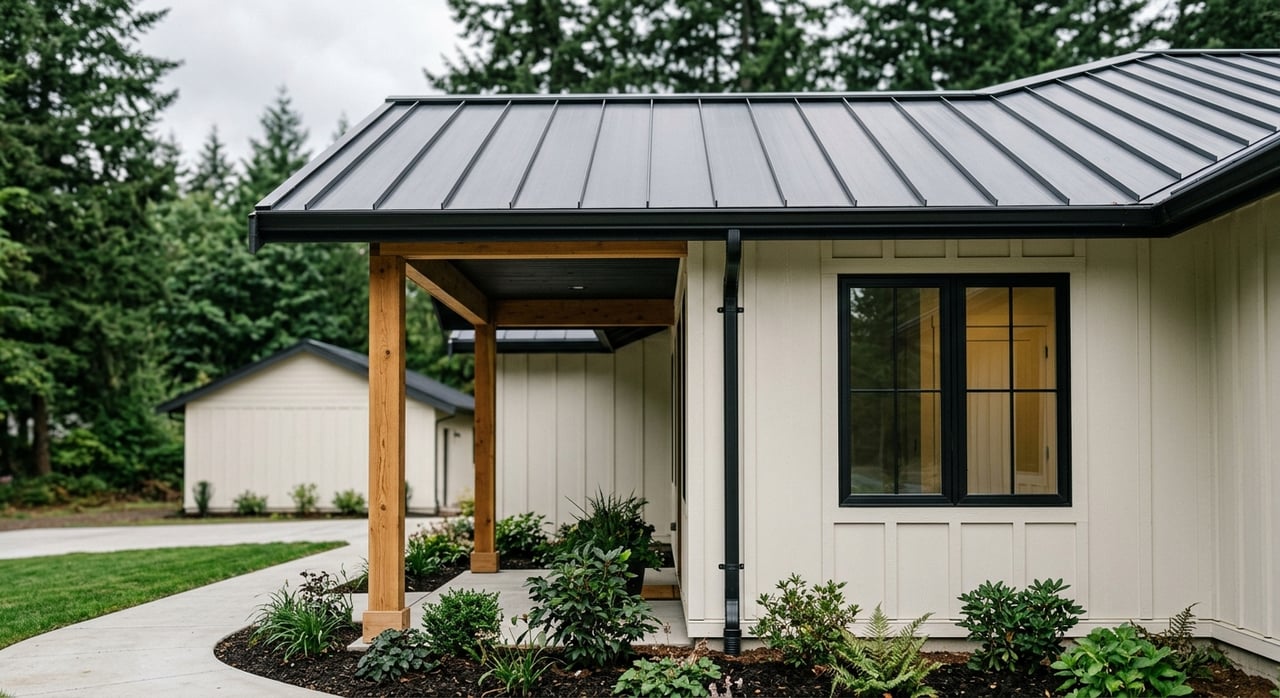
Selling A Brush Prairie Acreage Home: What To Fix First
May 21, 2026
May 21, 2026
If you are getting ready to sell a Brush Prairie acreage home, it is easy to wonder where to spend your time and money first. Rural properties often come with more moving parts than a typical suburban resale, and the wrong pre-listing project can waste both. The good news is that a smart plan can help you focus on the fixes that matter most for buyers, inspections, and paperwork. Let’s dive in.
Brush Prairie is one of Clark County’s designated Rural Centers, which means many properties are part of a broader rural land-use setting rather than a standard neighborhood resale. In practical terms, that often includes features like septic systems, private wells, outbuildings, larger lots, and more land maintenance. Because of that, your pre-listing priorities may look very different from a typical in-town home.
On acreage, buyers are not only looking at the house itself. They are also paying attention to how the land functions, whether systems appear well maintained, and whether extra structures are properly understood. That is why the best place to start is usually with the items that can affect inspections, financing, disclosures, or buyer confidence.
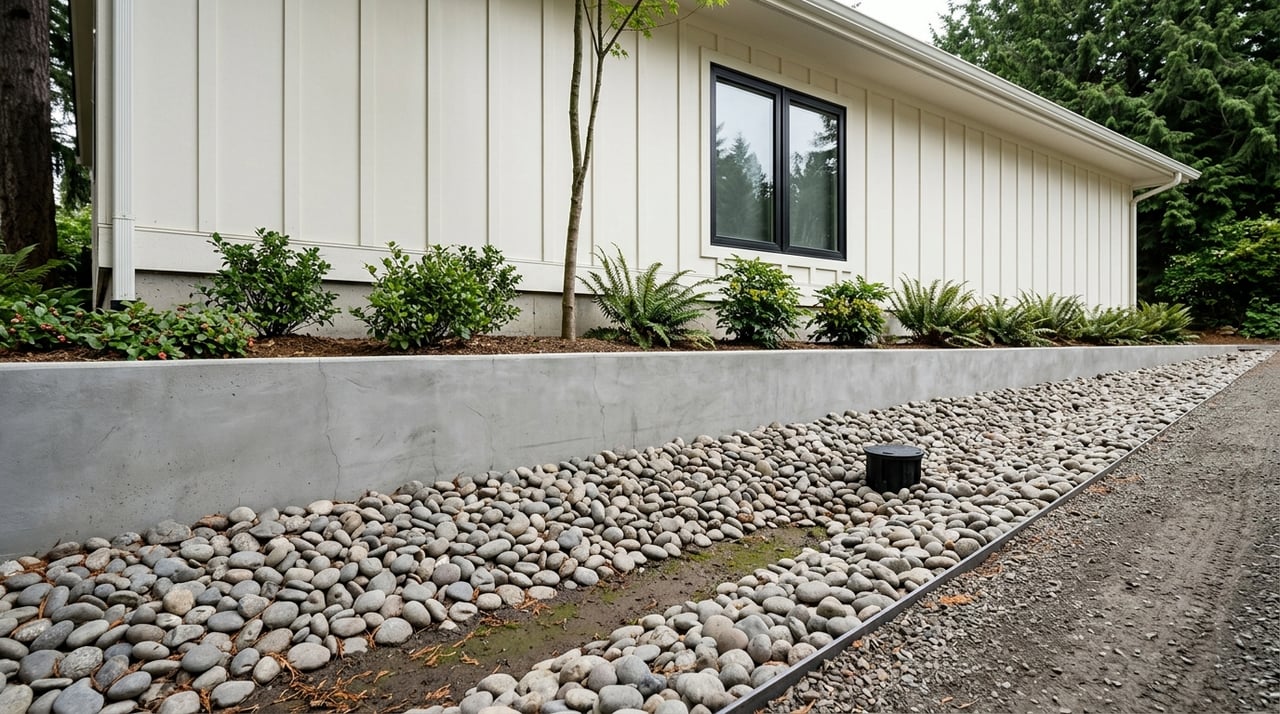
Before you think about paint colors or staging, start with anything tied to safety, moisture, or water. In western Washington, wetter conditions make drainage, roof runoff, and moisture control especially important. That does not mean every Brush Prairie home has a problem, but it does support putting roof, gutter, grading, and drainage maintenance ahead of cosmetic updates.
Walk your property with a practical eye. Look for overflowing gutters, missing downspout extensions, puddling near the home, soggy areas, and signs that water is flowing toward the house or treatment areas instead of away from them. These issues can raise questions fast, especially on acreage where drainage patterns matter more.
A few high-priority items to check include:
These fixes are often more valuable than small decorative updates because they show buyers the property has been cared for in a practical way.
If your Brush Prairie home is served by septic, this is one of the first places to focus. Clark County requires homes not connected to municipal sewer to have an approved, correctly functioning on-site septic system. The county also requires a current report of system status on file when a septic-served property is offered for sale, and that report is considered current if completed within one year of the sale date.
That makes septic a much higher priority than cosmetic work. Clark County notes that a basic inspection may cost about $99 to $115, while a septic replacement may cost roughly $7,000 to $15,000. Even if your system is working fine, having the inspection and status report handled early can prevent delays later.
Clark County also gives helpful maintenance guidance that matters before listing. Roof drains should be kept away from the treatment area, and the reserve area should be protected from structures, surface drainage, soil compaction, soil removal, and grade changes. If your downspouts empty toward the drainfield or heavy equipment has compacted the area, it is worth addressing that before your home hits the market.
If your property has a private well, move water testing near the top of your checklist. The Washington Department of Health says well owners are responsible for testing their own water, and in many counties a buyer or seller may need water-sampling results when a home is sold with a private well. DOH recommends annual testing for coliform bacteria and nitrate.
Clark County also notes that regular testing for coliform bacteria is important to well operation. If contamination or defects are found, surface or seal repair may be needed. This is not the kind of issue to brush aside or guess about. If your well raises concerns, it is better to bring in the right specialist and get clear answers early.
For sellers, this is about confidence as much as compliance. A current well test record can make your property feel more prepared and transparent, which helps buyers move forward with fewer concerns.
Once the big water and system items are in motion, focus on visible exterior maintenance. In a wetter part of Washington, buyers tend to notice signs of deferred exterior care quickly. A roof covered in debris, sagging gutters, or obvious drainage problems can make the whole property feel harder to manage.
This is one of the best places to invest modest effort for a strong return. Cleaning the roof and gutters, extending downspouts, and correcting minor grading issues can improve both appearance and function. On acreage, these updates also support septic-area protection, which makes them even more important.
Think of this stage as protecting the property package. You are not just making the home look better. You are showing that the structures, runoff patterns, and land have been maintained with care.
Acreage curb appeal is different from suburban curb appeal. Buyers are not expecting manicured perfection, but they do want to see a property that looks manageable, maintained, and safe. Overgrown grass, brush close to the house, and debris on the lot can make the home feel like a bigger project than it is.
Clark County’s wildfire-prevention guidance recommends creating a 30-foot defensible space around the house. The county advises removing tall, dry grasses, leaves, needles, and other combustible debris from roofs and gutters, reducing ladder fuels between brush and trees, and moving firewood and other combustibles at least 30 feet uphill from the home. For many acreage sellers, this is one of the clearest low-cost improvements you can make before listing.
Focus your cleanup on what buyers see first and what affects safety:
If you plan to burn debris during cleanup, check current burn restrictions first. Washington DNR says outdoor fires are prohibited on state, county, city, and private land under DNR fire protection when restrictions are in place.
On Brush Prairie acreage, shops, garages, barns, and sheds can add real appeal. But before you spend money painting or refreshing these structures, make sure you understand how they appear in county records. Buyers often ask questions about permits, use, size, and placement, especially when outbuildings are a major part of the property’s value.
Clark County says a building permit is required to build a shop or garage in both urban and rural areas, including pole buildings. The county also says sheds larger than 200 square feet require a permit. It may also review issues like legal lot status, environmentally sensitive areas, and drainfield placement.
That means permit verification can be more important than cosmetic upgrades. Clark County’s property research tools allow sellers to review permits issued for a parcel, along with related documents, zoning, setbacks, and some code-enforcement information. Before advertising a shop, converted space, or large shed as a major feature, it is smart to confirm the paper trail.
This is especially important on acreage where site conditions and the Wildland Urban Interface may affect setbacks. If a structure’s location or history is unclear, get clarity before spending money fixing it up for marketing photos.
It is tempting to tackle exterior projects right before listing, but not every upgrade is equally simple. Clark County says fences 7 feet or less do not need a permit, while taller fences and retaining walls do. The county also says all decks require a separate permit except for a few narrow exceptions.
For that reason, simple repairs may make more sense than full replacement. Patching a fence, tightening gates, replacing a few damaged boards, or cleaning and staining where appropriate can improve appearance without turning into a bigger county-review issue. If you are considering substantial deck work, check county requirements before starting.
One of the smartest things you can do before listing is gather your paperwork early. Washington’s residential seller-disclosure law generally requires a completed disclosure statement unless the buyer waives it or the transfer is exempt. The law also says the disclosure is based on your actual knowledge, not a warranty, and if you later learn something is inaccurate before closing, the statement must be amended unless the issue is corrected in time.
That is why records matter. Septic reports, well tests, repair invoices, contractor evaluations, and permit documentation can all help support a smoother sale. They also help you answer buyer questions with confidence instead of trying to reconstruct details during escrow.
The law also recognizes information from licensed professionals and public agencies. For acreage sellers, that supports a simple rule: when an issue is technical, do not guess. Bring in the right expert, get the facts, and make decisions based on that information.
It is easy to spend too much on the wrong projects before listing. In many Brush Prairie acreage sales, cosmetic updates should come after the higher-risk items are handled. Fresh paint and staging can help, but they usually will not solve buyer concerns about septic, well water, drainage, or undocumented outbuildings.
Before you commit to major cosmetic work, ask whether the project improves function, confidence, or marketability in a meaningful way. If not, it may belong later on the list. A practical pre-listing plan usually works best in this order:
That order helps you focus on the items most likely to affect the sale, while still leaving room for presentation improvements once the important groundwork is done.
Selling acreage is not about fixing everything. It is about fixing the right things first. When you start with systems, drainage, documentation, and visible land maintenance, you can avoid overspending on projects that do little to move the sale forward.
That is where a practical, contractor-informed strategy can make a real difference. If you want help deciding what is worth fixing before you list your Brush Prairie acreage home, Dawn Jensen-Beaudoin can help you prioritize improvements, avoid costly missteps, and prepare your property for a smoother sale.
Stay up to date on the latest real estate trends.


Timing the Market
Let’s build your future in Southwest Washington. Contact me today for a strategy session that goes deeper than the floorboards.