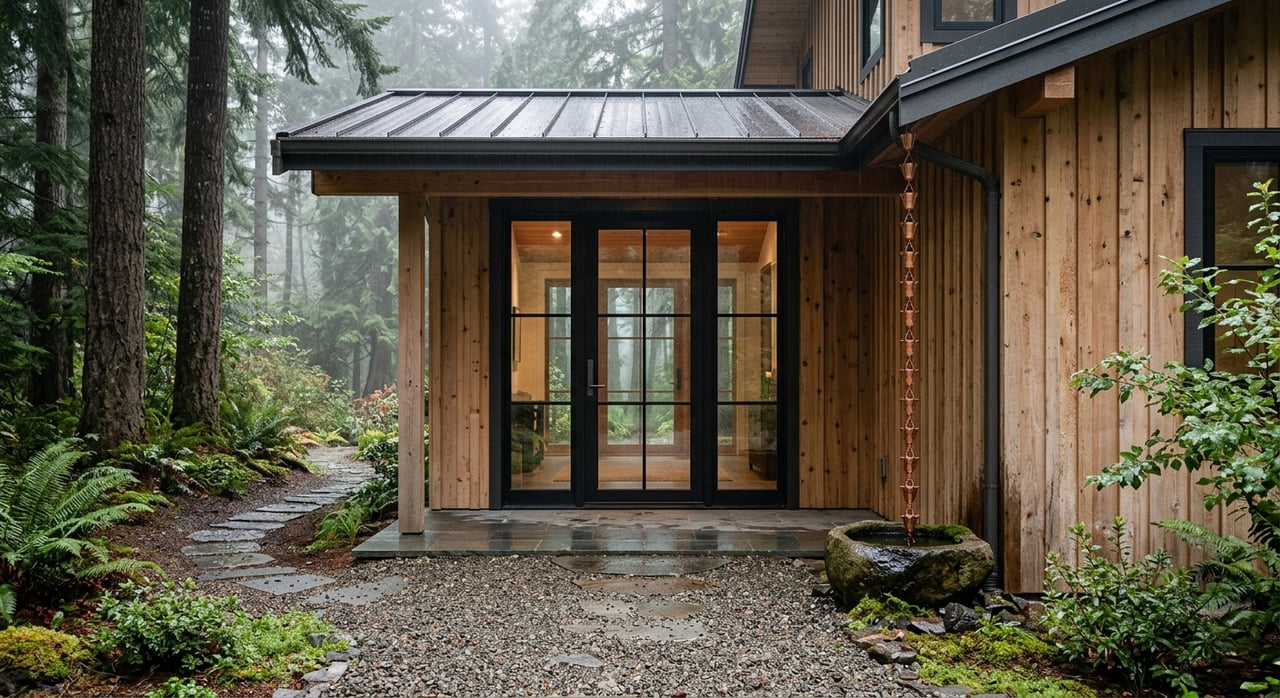
What to Know About a Skamania County Cabin Second Home
June 18, 2026
June 18, 2026
Wondering if a Skamania County cabin or second home is your perfect Northwest escape? It can be an exciting idea, especially if you picture weekends near the Gorge, forest views, and easy access to trails and recreation. But in a rural market like Skamania County, the right property is about more than charm alone. You need to know how access, land-use rules, utilities, and long-term upkeep could affect your plans. Let’s dive in.
Skamania County offers a setting that feels distinctly Pacific Northwest. The county stretches from the Columbia River Gorge into the Cascades and beyond Mount St. Helens, with communities the county describes as rural and close-knit.
A big part of the appeal is how much of the county remains tied to nature. Skamania County says more than 85% of its acreage is public forest land, and its long-range plan emphasizes protecting rural character while allowing planned development.
For you as a buyer, that often means a cabin lifestyle built around access to the outdoors. Official recreation sources highlight hiking, biking, watersports, climbing, and scenic viewpoints, with places like Beacon Rock State Park and the Mount St. Helens National Volcanic Monument drawing visitors year-round.
A second home in Skamania County can offer the quiet and outdoor access many buyers want, but rural living also asks for more planning. Seasonal traffic, weather, and site conditions can all shape how usable a property feels from month to month.
Peak recreation season can affect your experience too. Dog Mountain uses timed-entry permits and a shuttle during busy periods, and hiking above 4,800 feet at Mount St. Helens requires a permit. That does not make the area less appealing, but it does show how popular some destinations become.
If you are buying for quick weekend escapes, convenience matters. A beautiful cabin can lose some of its appeal if access is difficult during snow, ice, or heavy visitor traffic.
Skamania County buyers may come across a wide range of property types. That can include standalone cabins, single-family homes, manufactured or mobile homes, acreage parcels, shoreline homes, accessory dwelling units, guest houses, and some park-model RV setups.
It is important to know that these property types are not treated the same under county rules. Skamania County states that a single-family residence can include mobile homes, but RVs and park models are not considered single-family residences.
That distinction matters if you are thinking about flexible use. The county says people may not live in an RV for more than 14 consecutive days or more than 120 days in a calendar year unless a temporary dwelling permit has been approved for limited circumstances.
In Skamania County, the property itself is only part of the story. Where it sits can affect what you can do with it, how long approvals may take, and whether future changes are realistic.
This is especially important if you are thinking about remodeling, adding structures, or buying land to build. Rural and scenic areas often come with added review requirements that are easy to overlook during an emotional home search.
If a property is within the Columbia River Gorge National Scenic Area, the rules can be very different from the rest of unincorporated Skamania County. The county says that almost all structural development and ground-disturbing activity in the Scenic Area requires review for cultural, natural, recreation, and scenic impacts.
The county also notes that most land-use applications are approved, but they often come with conditions related to color, location, landscaping, and protection of natural resources. Review timelines are generally seven to nine months, or three to four months for certain expedited projects.
If you love the idea of a scenic-area cabin, that does not mean you should avoid it. It simply means you should go in with realistic expectations about design constraints, approval timelines, and property use.
Waterfront and shoreline properties can carry another layer of review. In the county’s Shoreline Residential Environment, single-family homes and related uses like garages, decks, driveways, utilities, fences, septic drain fields, and grading are permitted.
The standard setback from the water for single-family development in that environment is 60 feet. The county also uses several shoreline designations, which means two waterfront properties may not have the same development rules.
Some cabin lots trigger site-specific review because of environmental or geologic conditions. Skamania County says critical areas include wetlands, fish and wildlife habitat, critical aquifer recharge areas, frequently flooded areas, and geologically hazardous areas such as landslide, erosion, and volcanic hazards.
If a parcel is on or near a slope, stream, or other sensitive area, extra reports may be required. The county says stream buffers are no-touch buffers, and geotechnical assessment reports are required in landslide or erosion hazard areas.
Many second-home buyers consider renting out a cabin to help offset costs. In Skamania County, that idea can work in some areas, but you need to separate rental rules from basic building and land-use rules.
For unincorporated Skamania County, the county licenses short-term vacation rentals annually. It says these rentals may operate in a dwelling unit, accessory dwelling unit, residential accessory building, or certain park-model RVs, while ordinary campsites, tents, and non-park-model RVs are not allowed.
Current annual license fees are listed at $200, $300, or $500 depending on owner presence and occupancy. If rental income is part of your plan, this should be reviewed before you buy, not after.
The Scenic Area has separate overnight accommodation rules. The county says countywide short-term vacation rental regulations do not apply there.
Instead, overnight accommodations in the Scenic Area may only be within a single-family dwelling that is the owner’s permanent residence, and the owner may rent up to 90 room nights per year. If you want a purely part-time second home that also functions as a vacation rental, this distinction is critical.
In many rural areas, the hidden systems matter just as much as the home itself. A cabin may look move-in ready on the surface, but private water and wastewater systems can have a major impact on cost, maintenance, and peace of mind.
Washington’s Department of Health says septic systems are common in rural areas without centralized sewer and that homeowners own and operate them. A failing septic system can lower property value and create public health concerns.
Private wells deserve the same level of care. Washington Ecology says private well owners should test drinking water every year for coliform bacteria and nitrate, and it also notes that some areas may not have enough water available for new wells or could be closed to future withdrawals.
If you are buying vacant land or a cabin with aging systems, these are not small details. They are core parts of whether the property works for your goals.
A Skamania County cabin should be evaluated for all four seasons, not just the day you tour it. The county’s emergency management information highlights wildfire, flood, landslide, and winter snow and ice events across the region.
That means you should think beyond finishes and views. Ask whether the site handles long vacancy periods well, whether emergency access is reliable, and whether winter weather changes how often you can realistically use the property.
The county also publishes winter snow operation procedures and road-specific snow-plowing information. In practical terms, some roads will be more manageable for year-round use than others.
A few simple questions can go a long way:
Wildfire is an operational issue for second-home ownership in rural Washington. Washington Ecology says burn bans may be called by the Department of Natural Resources, local fire districts, and tribes when wildfire danger is high.
Those bans can restrict outdoor, residential, agricultural, and forest burning. Skamania County also maintains wildfire preparedness and emergency alert information, which is another reason to consider how a property will be managed when you are not there full time.
A second home budget should include more than the mortgage and insurance. Rural ownership often comes with maintenance, access, system testing, and improvement costs that can be easy to underestimate.
Property taxes deserve a close look too. Skamania County says it revalues roughly 10,000 parcels at least once every six years using market-based valuation methods.
The county’s exemption information also shows that some tax relief programs are tied to primary residence status and income limits. If you are buying a second home, you should not assume owner-occupant tax benefits will apply.
There may be some improvement-related opportunities in certain cases. The county’s residential improvement exemption can provide a three-year tax break on qualifying new improvements, though it does not apply to items like fences or outbuildings.
When you are shopping in Skamania County, the best deals are not always the ones with the prettiest listing photos. The smarter move is to look closely at how the property will function over time.
That is where a practical, detail-focused approach matters. You want to know not just whether a cabin feels right, but whether the land, systems, access, and rules support the way you plan to use it.
Before you get serious about any property, it helps to ask:
Buying a cabin or second home in Skamania County can be a great lifestyle move, but the right purchase usually comes from careful due diligence, not impulse. If you want a grounded, practical perspective on cabins, rural homes, land, or properties with renovation questions, Dawn Jensen-Beaudoin can help you evaluate the details that matter before you commit.
Stay up to date on the latest real estate trends.
Let’s build your future in Southwest Washington. Contact me today for a strategy session that goes deeper than the floorboards.