How To Choose The Right Camas Neighborhood For Your Move
June 4, 2026
June 4, 2026
If every Camas neighborhood looked and felt the same, your move would be a lot simpler. But in Camas, the right fit often comes down to something more specific: whether you want an older established area, a hillside setting, a newer planned community, or a west-side growth corridor. When you know how the city is laid out, you can narrow your search faster and avoid choosing a home that works on paper but not in daily life. Let’s dive in.
Camas has a distinct physical layout that shapes how neighborhoods feel. City planning materials describe a flatter older core with steeper surrounding slopes, including hillside areas like Prune Hill. That means your experience can change a lot from one part of the city to another, even within a short drive.
For many buyers, the most useful way to compare Camas is by looking at four broad areas: downtown and nearby established streets, Prune Hill, newer Green Mountain-area communities, and west Camas around Grass Valley. Each one offers a different mix of housing pattern, terrain, park access, and day-to-day convenience.
Before you fall in love with a house, think about how you want to live in it. The best neighborhood for you is the one that supports your routine, not just your wish list.
A practical short list usually comes down to four things:
Those details matter in Camas because topography and land use vary so much by area. If you are buying with future projects in mind, it also helps to think about lot layout, slope, and the kind of upkeep you want to take on.
Downtown Camas is the city’s traditional center and one of its oldest, most developed areas. Planning documents describe this part of town as a mix of commercial, light industrial, and some housing, with future change expected to happen mostly through infill or redevelopment instead of large new subdivisions.
If you like established streets and a more rooted neighborhood pattern, this area may stand out. The city also presents downtown as historic, and major community events continue to center around Crown Park, which gives the area a strong civic and small-town feel.
This part of Camas offers access to several long-standing parks. Crown Park sits in an established residential area north of downtown, while Forest Home Park includes ballfields, playgrounds, and picnic areas. Louis Bloch Park has also served as a youth baseball site for decades.
You also get good access to outdoor spaces. Near downtown, you can reach the Lacamas Creek Trail, which connects into the larger Lacamas Park system, as well as Heritage Park on Lacamas Lake, where there is a boat launch and a heavily used 6.9-mile trail.
Because this area is older and more built out, inventory may look different from newer parts of Camas. If you are considering an older home, pay close attention to condition, layout, and whether any updates match your plans and budget.
This is where a contractor-informed review can really help. A home with charm can be a great fit, but you want to understand the likely maintenance and improvement picture before you commit.
Prune Hill stands out as one of Camas’s clearer single-family hillside areas. City planning documents say the slopes of Prune Hill are zoned exclusively for single-family residential development, and they also note that this area is sensitive to topography.
That matters because the terrain is part of the appeal, but it can also shape what daily living feels like. Street grades, driveway slope, and site layout may all play a bigger role here than they would in flatter parts of the city.
Prune Hill has its own recreation advantages. Prune Hill Sports Park is located next to Prune Hill Elementary, and the city’s trail inventory includes Prune Hill Slope Open Space as part of the recreation network.
If you want a neighborhood that feels more residential and less tied to a downtown street grid, this area may be worth a closer look. It offers a different rhythm than the historic core.
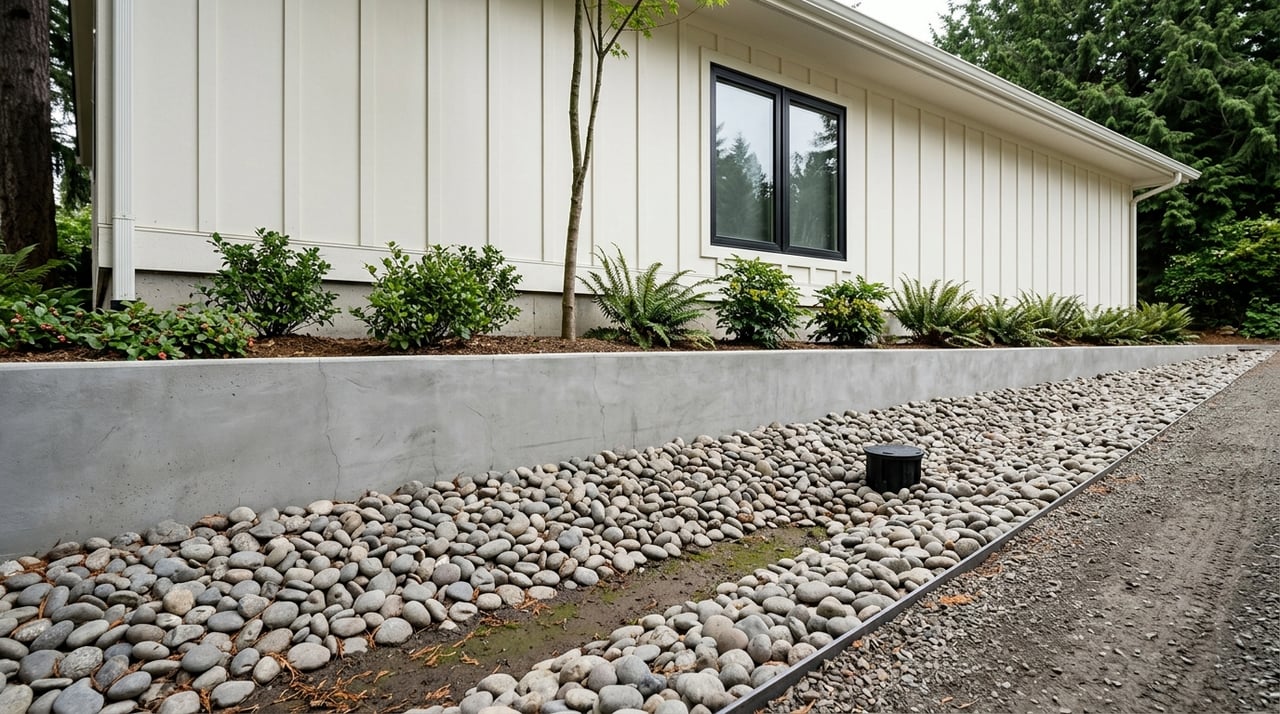
In hillside areas, the lot is just as important as the house. Look closely at drainage, retaining features, driveway usability, and how the slope affects outdoor space.
Steep slopes can also limit new development in parts of Prune Hill. If your plans include major exterior changes or you simply want fewer surprises, it is smart to evaluate the site carefully during your home search.
If you want newer housing patterns, Green Mountain and east Camas are often strong candidates. Recent city notices show active or recent subdivision planning in this area, including The Reserve at Green Mountain, a 38-lot single-family subdivision, and Lacamas Village, a 160-lot attached and detached residential subdivision in the Green Mountain Urban Village area.
This part of Camas generally fits buyers who want a more planned community feel. Based on the city’s recent development activity and open-space planning, it is one of the clearest places to look for newer neighborhood options.
Green Mountain is not just about newer homes. The city acquired 115 acres on west Green Mountain to preserve open space, trail links, and viewpoints, which adds to the area’s outdoor backdrop.
East Camas also offers access to the Washougal River Greenway Trail, a 2.2-mile trail with a nearby residential trailhead. For buyers who enjoy being close to water and open space, the city’s shoreline system also includes Lacamas Creek, Fallen Leaf Lake, Lacamas Lake, Round Lake, and the Columbia and Washougal rivers.
If you are comparing newer neighborhoods, ask practical questions beyond the floor plan. Look at lot size, outdoor space, proximity to preserved open areas, and how easy the route is to the places you drive most.
You can also ask whether there is active neighborhood association involvement. The city says Camas has many active neighborhood associations, and that can help you better understand how a specific area functions over time.
Grass Valley and west Camas have a different feel from downtown or the hillside neighborhoods. City documents describe Grass Valley as an area along 38th Street and west of Parker Avenue with significant commercial development activity, undeveloped grassland, wetlands, some residential development, and office or mixed-use projects.
In other words, this part of Camas can feel more like an edge-of-city growth area than a fully built historic neighborhood. For some buyers, that is a plus, especially if they want to be in an area still taking shape.
Grass Valley Park serves this part of west Camas. The broader land-use pattern is more mixed than in the older core, which is important to understand when comparing home environments.
This area may appeal to you if you are comfortable evaluating what is already there along with what surrounds it. That bigger-picture view matters in places where development is still evolving.
A neighborhood can check every box until you drive it during your normal routine. In this part of Clark County, SR 14 is the key commute and economic corridor. WSDOT reported 2023 peak averages of 10 minutes in the morning and 8 minutes in the evening for the 7-mile Camas-to-I-205 segment along SR 14.
If your travel pattern points toward Portland, you should also understand the I-5 route, since the Interstate 5 bridge in Vancouver is another major regional crossing. Even if two homes are both in Camas, the real difference may be how each one connects to your actual route.
The best approach is simple: drive the commute from the front door, at the time you would actually leave. That one step can quickly help you rule neighborhoods in or out.
Camas has 946 acres of shoreline across 26 miles, so homes near lakes, creeks, and other shoreline areas can come with a different set of considerations. If you are drawn to lake-adjacent or creek-adjacent property, make sure you look beyond the view.
The city notes that local, state, and federal rules apply in shoreline areas, and new or replacement docks and other over-water structures need permits. That does not mean you should avoid these properties. It just means you should go in with clear expectations and solid due diligence.
If you are feeling torn between areas, use this quick framework:
Once you identify the pattern that fits your lifestyle, your home search usually gets a lot clearer. Instead of trying to search all of Camas at once, you can focus on the parts of the city that match how you actually want to live.
Choosing the right Camas neighborhood is not just about square footage or curb appeal. It is about understanding terrain, housing patterns, outdoor access, and the daily logistics that can make a home feel easy or frustrating. If you want a practical second opinion on which part of Camas fits your goals, connect with Dawn Jensen-Beaudoin for grounded local guidance.
Stay up to date on the latest real estate trends.

Let’s build your future in Southwest Washington. Contact me today for a strategy session that goes deeper than the floorboards.