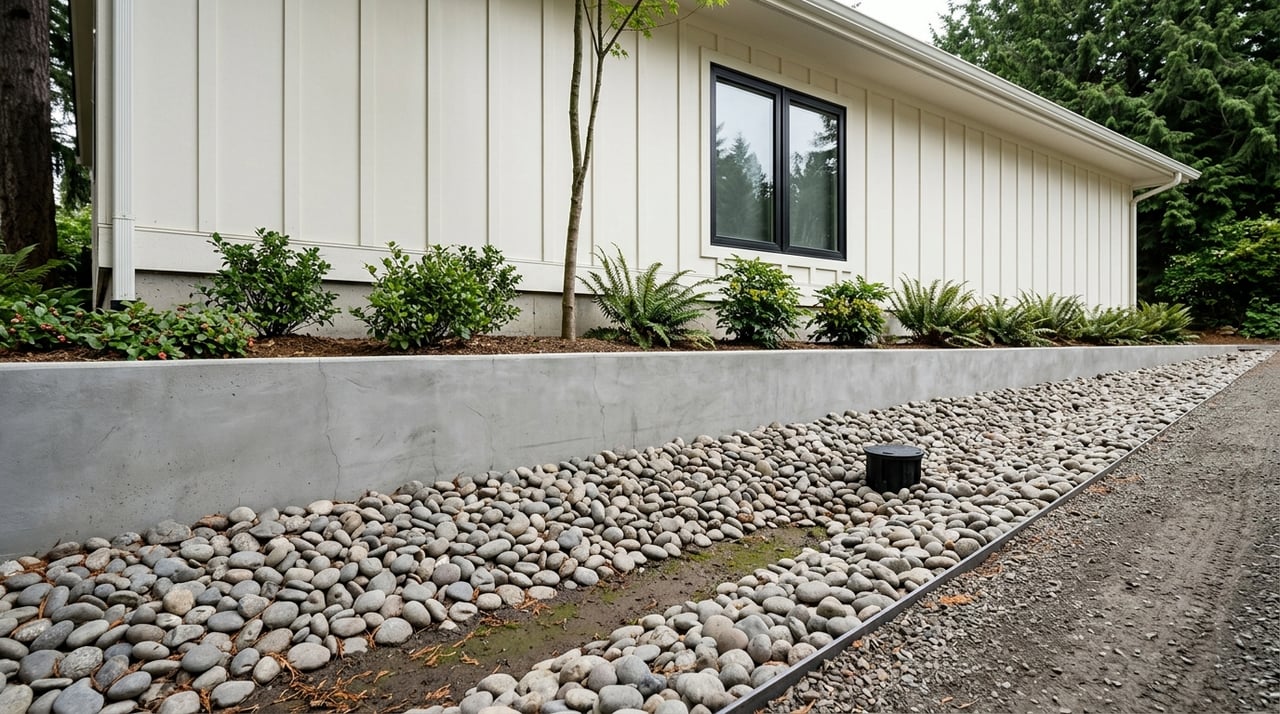
What to Know About Cowlitz County Fixer Upper Land
July 2, 2026
July 2, 2026
Thinking about buying land or a fixer in Cowlitz County? The opportunity can be real, but so can the surprises. If you want a property with upside, you need to know what can change the budget, delay the timeline, or stop a project before it starts. This guide walks you through the big due diligence items so you can move forward with more confidence. Let’s dive in.
A move-in-ready home usually gives you a clearer picture of cost and timing. Land and fixer properties are different because the real value depends on what you can actually do with the property.
In Cowlitz County, that often comes down to zoning, legal lot status, access, septic, water, and hazard review. For older homes, condition issues like roof failure, outdated wiring, moisture damage, or hazardous materials can quickly shift a project from manageable to expensive.
This is where a practical, contractor-informed mindset matters. You want to look past the listing photos and ask whether the property works on paper, in the field, and in your budget.
In unincorporated Cowlitz County, zoning is the main land-use control. It governs permitted uses, setbacks, and other development rules. The county also notes that only part of the county is zoned, so you should verify the parcel itself instead of assuming nearby land follows the same rules.
For most development plans, Planning Clearance is the first formal review step. The county uses that process to check zoning, setbacks, critical areas, legal lot status, and sufficient access before most other permits can move forward.
That matters because a parcel that looks buildable from the road may still run into issues during review. Some Planning Clearance reviews may be completed over the counter, while others may take longer or require more information.
Planning Clearance is not just a basic formality. It is one of the most important early checkpoints for land buyers in Cowlitz County.
The county says Planning Clearance is valid for five years. If you are buying land now and planning to build later, that timeline can be helpful. If you do not own the property yet, the county says you need a signed letter of authorization from the owner to start the planning process.
In simple terms, this step helps you test feasibility before you commit too deeply. It can reveal issues early, when your options are still open.
Access is more than a convenience issue in Cowlitz County. It is part of the county’s planning review, and it can affect whether a parcel works in practice.
You want to know whether the property is served by a county road, a private road, or a non-county right-of-way. That difference can affect maintenance responsibility, permit requirements, and how difficult it may be to move a project forward.
If the property needs a new driveway or access point, the county uses a Driveway Approach Application. There is also a Pre-Approval Driveway Approach Application for private road approaches and subdivision access-location pre-approval.
Some acreage in Cowlitz County may carry a land classification that changes both use expectations and tax consequences. Two common examples are Designated Forest Land and Open Space Farm and Agriculture classification.
Designated Forest Land requires at least five contiguous acres in the same ownership devoted to growing and harvesting timber. The county warns that removing the classification can trigger compensating tax.
Open Space Farm and Agriculture classification requires commercial agricultural use, not hobby use. The county says qualifying land is audited periodically, and removal can trigger additional tax, interest, and a 20% penalty.
In Cowlitz County, septic and water approval are handled separately from building review. For projects with plumbing, the county requires evidence of approved water availability and sewer before permit issuance.
For onsite sewage systems, the county requires a soil evaluation first. After that comes design review, and only then can a septic permit be issued.
The county also makes an important point: a soil evaluation does not guarantee building, planning, or environmental health approval. Septic permits are valid for two years only, and the county says there are no renewals.
If you are buying an existing rural home or a fixer with an older septic system, do not assume the system is fine just because it is there. The county’s septic verification process looks at trench depth, adjacent soil profile, tank size and condition, reserve area, and operating condition.
If the system is failing or too small for the dwelling, a new design is required. That can be a major cost and a major negotiation point.
For well construction or decommissioning, the county says a Department of Ecology Notice of Intent to Construct a Water Well is required at least 72 hours before work begins. The county also recommends a minimum water supply of five gallons per minute for at least two hours.
Water quality matters too. The county says well water should be tested through a certified lab for contaminants such as arsenic.
For buyers, the takeaway is simple: a low purchase price on rural land can lose its appeal fast if you need both a new well and a new septic design.
Cowlitz County identifies several critical areas, including wetlands, fish and wildlife habitat, frequently flooded areas, geologically hazardous areas, and critical aquifer recharge areas. The county also highlights landslide, erosion, seismic, volcanic, and mine hazards.
These are not just map details. They can affect where you place a home, driveway, drainfield, retaining wall, or other site improvements.
If you are looking at hillside property or land near a river, treat hazard review as a feasibility issue early in the process. It is much better to find limitations before you buy than after you start designing a project.
The county’s floodplain rules were updated effective November 21, 2023. The county directs buyers to FEMA flood maps and NOAA river gauges to help check flood risk.
The county also notes that flood insurance usually takes 30 days to go into effect. In flood-prone areas, elevation certificates are prepared by Washington licensed surveyors.
That means floodplain questions can affect not only your build plan, but also insurance timing and site costs.
A home inspection is designed to identify issues in the visible and accessible parts of the property. That includes the structure, exterior, roof, plumbing, electrical systems, heating and air conditioning, interiors, insulation, and fireplaces.
If you are buying a fixer, try to separate cosmetic issues from systems or structural issues. Peeling paint and dated finishes are one category. Roof failure, plumbing leaks, electrical problems, or foundation concerns are a very different level of risk.
Buyers should schedule the inspection as soon as possible after choosing the home. Attending the inspection can also help you understand what is minor, what needs specialist review, and what may change your offer strategy.
Moisture problems deserve serious attention in older homes. Mold problems should be cleaned up, and the moisture source needs to be eliminated.
In practical terms, watch for roof leaks, poor drainage, wet crawl spaces, and chronic condensation. These issues are often signs of deeper damage, and they can expand your repair scope quickly.
If the home was built before 1978, lead-based paint is more likely to be present. Renovation work like sanding, demolition, and replacing windows or trim can turn a cosmetic project into a lead-safe work issue.
Asbestos can also be a concern in older materials such as insulation, flooring, ceiling products, or duct components. If material may contain asbestos and it is damaged or likely to be disturbed, EPA says it should be repaired or removed by a trained and accredited asbestos professional.
These are the kinds of details that can change your timeline, contractor scope, and cleanup costs.
For a typical new single-family project in Cowlitz County, the county outlines this general sequence: Planning Clearance first, then septic design and water application, then building permit, then construction and inspections, and finally certificate of occupancy.
That sequence matters because buyers sometimes price land as if construction can begin immediately. In reality, approvals often come in stages, and each stage can uncover new requirements.
The county also says planning review time varies by project and staff availability. Straightforward projects may move faster, while parcels with access, critical area, or septic complications may take longer.
The county says building permits must have an inspection every 180 days or the permit expires and a new permit is required. That makes timeline management important for both new builds and major rehab work.
It is also smart to confirm current county fees at the time of application. The county notes that fee schedules are adopted annually, so your early estimates may not match later application costs.
With land and fixer properties, a contingency reserve is one of the best tools you have. A reasonable working rule is about 10% as a minimum and closer to 15% to 20% when the home is older, utility systems are not operable, or the project scope is uncertain.
That extra room can help cover the kinds of hidden issues that commonly show up in these deals, including septic problems, access improvements, slope work, old wiring, moisture damage, and lead-safe renovation requirements.
If you are buying a true fixer rather than vacant land, renovation financing may be worth a closer look. HUD’s 203(k) program can finance purchase or refinance plus rehabilitation for a home that is at least one year old.
HUD describes a Standard 203(k) for larger rehabilitation work and a Limited 203(k) for smaller repairs and improvements. Fannie Mae’s HomeStyle Renovation program can also finance repairs, remodeling, renovations, and energy improvements, though it may not be used for a complete tear-down and reconstruction of the dwelling.
These programs can be useful when you want to combine purchase and renovation into one plan rather than piecing together separate cash needs. The exact fit depends on the property condition and loan guidelines.
Land and fixer purchases often go more smoothly when you bring in the right experts early. Depending on the property, that may include:
This is where experienced guidance can save you time and protect your budget. The right property can be a great opportunity, but only if the numbers, condition, and county path all make sense together.
If you are weighing land, acreage, or a fixer in Cowlitz County, a practical second set of eyes can help you sort real potential from expensive guesswork. Reach out to Dawn Jensen-Beaudoin for clear guidance on evaluating condition, renovation scope, and the local factors that matter before you buy.
Stay up to date on the latest real estate trends.



Let’s build your future in Southwest Washington. Contact me today for a strategy session that goes deeper than the floorboards.